
Aesthetic medicine and skin care in the Middle East have ceased to be a niche field in recent years and have become a full-fledged part of the lifestyle. Here, aesthetics is not an attempt to change one’s appearance but a way to preserve skin quality, youth, confidence, and a sense of well-grooming in a climate of high social visibility and strong cultural guidelines.
The region demonstrates a steady growth of the aesthetic procedures market, which is measured in hundreds of millions of dollars and shows an average annual growth of 8-11% over the horizon until 2030-2032. At the same time, more than 70-80% of all procedures relate to non-invasive and minimally invasive methods, which reflects the main shift: a priority on safety, minimal downtime and a natural result.This shift is clearly visible in the growing demand for procedures such as facial rejuvenation.
Personalization as The Basis of Modern Care
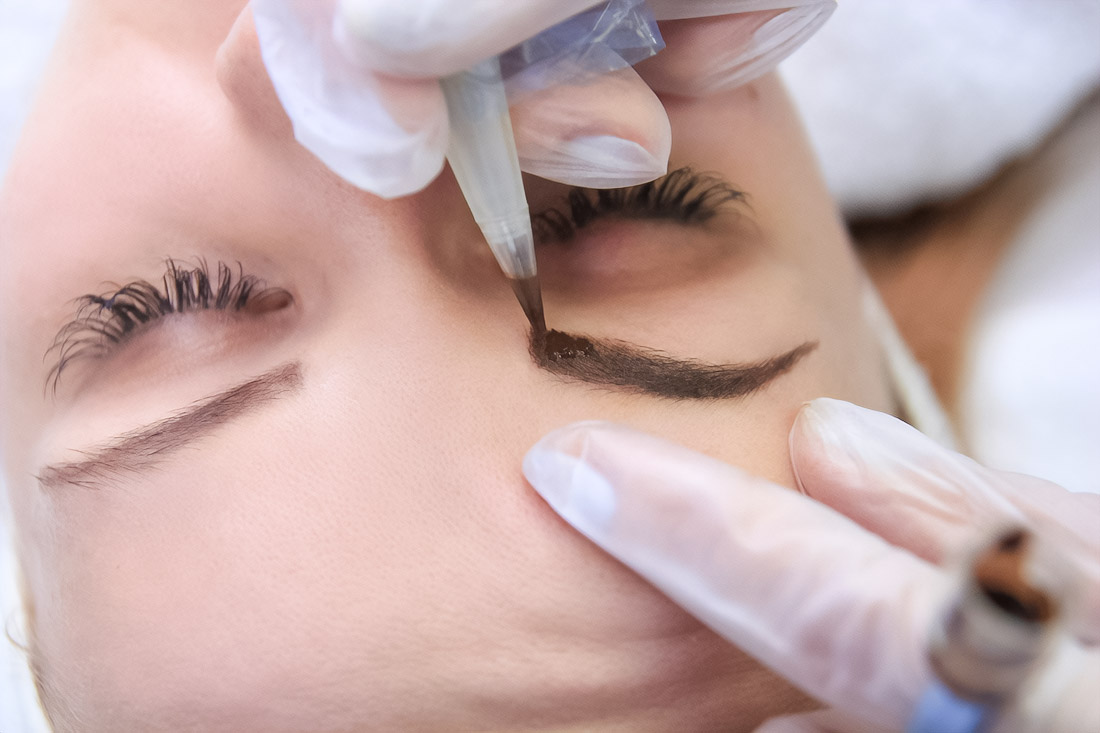
The key transformation of aesthetic medicine is related to personalisation. Universal protocols and template procedures are gradually becoming a thing of the past. An individual skin analysis comes to the fore, taking into account skin type, hydration level, pigmentation, texture, tone, reaction to the sun, lifestyle and climatic effects.
Modern skin care is increasingly being built as a long-term strategy rather than a one-time intervention. The personalized approach allows you to work not only with external manifestations – wrinkles or decreased elasticity – but also with skin quality: restoration of barrier functions, collagen support, regeneration and prevention of age-related changes.
That is why preventive care is becoming the norm: up to 80% of patients regularly invest in supportive procedures without waiting for pronounced age-related changes.
The Shift Towards Non-Invasive Procedures
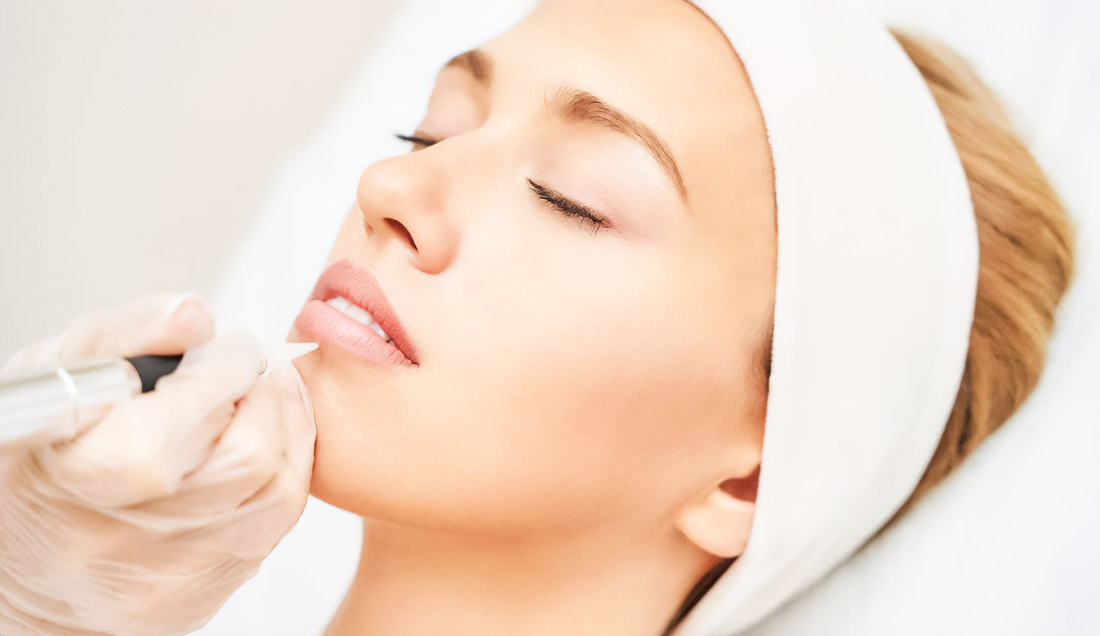
The aesthetics market clearly demonstrates a shift from aggressive interventions to gentle methods. More than 60% of patients consciously choose procedures with minimal recovery that do not require falling out of the usual rhythm of life.
- Improve skin texture and tone gradually
- Stimulate collagen without changing facial features
- Reduce the risk of complications
- Get a natural result without the effect of “redoing”.
This approach is especially in demand in a region where social activity, work, and appearance are closely intertwined.
Climate as a Factor of Aesthetic Decisions
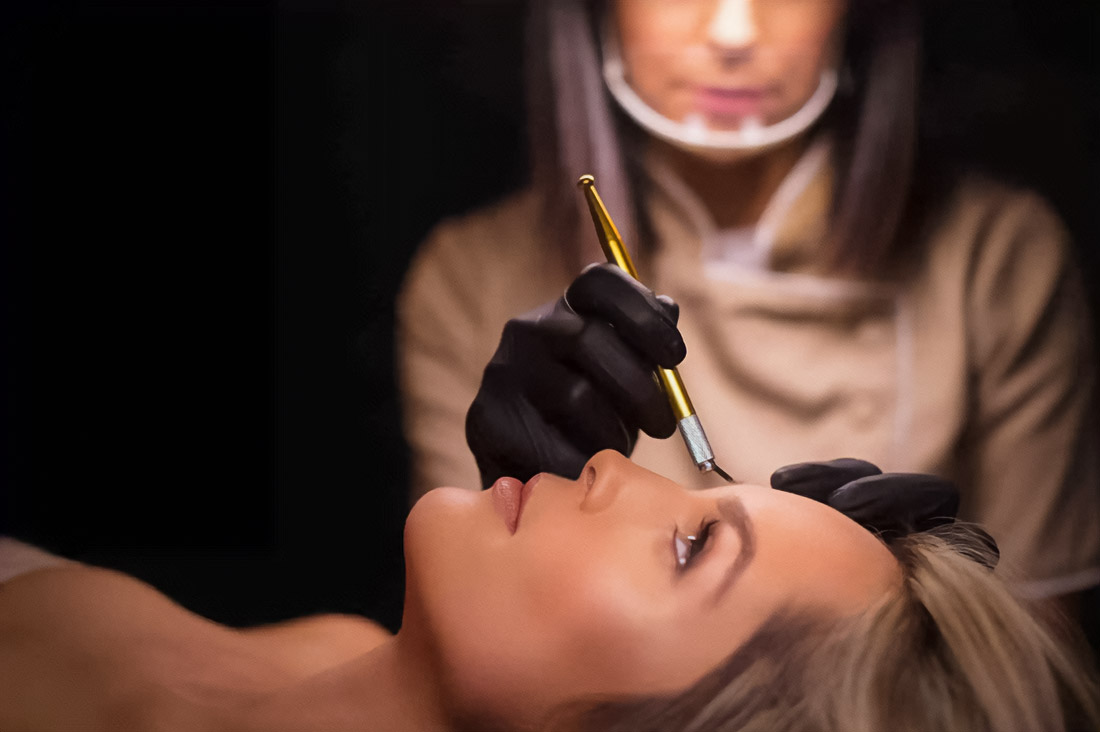
Harsh sun, dry air, temperature fluctuations and constant exposure to air-conditioned rooms directly affect the condition of the skin. Dehydration, pigmentation, and decreased elasticity are among the most common requests of patients.
Therefore, skin hydration becomes a basic element of aesthetic programmes. The care focuses on restoring moisture, sun protection, maintaining the lipid barrier, and overall improving skin quality. The climate-orientated approach is one of the reasons for the high popularity of procedures aimed at recovery rather than masking problems.
A Culture of Natural Beauty and Individuality
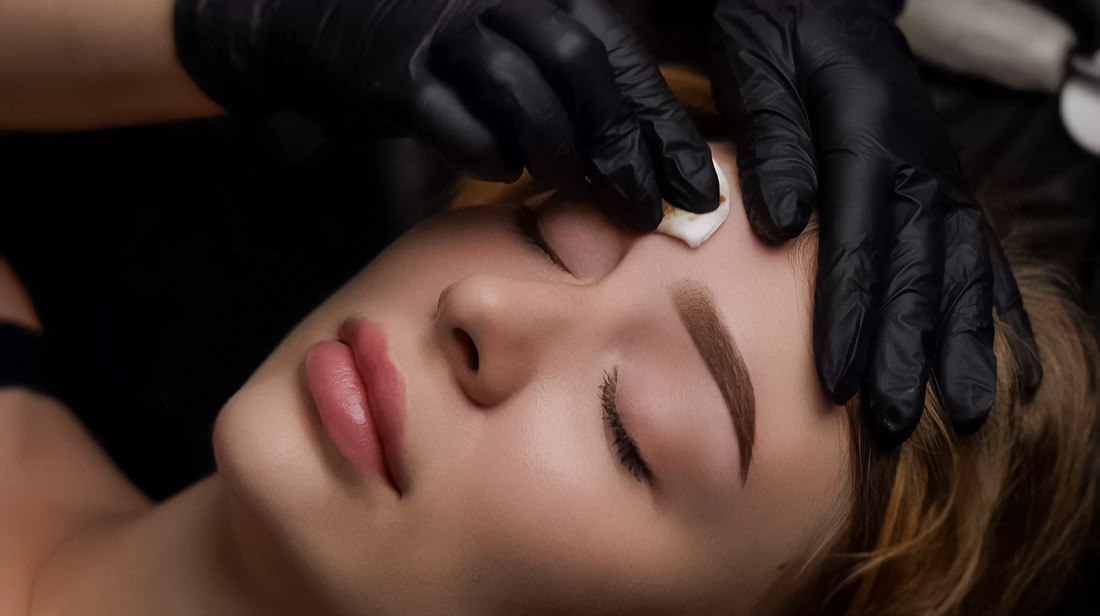
In contrast to universal Western standards, the aesthetic culture of the region focuses on individual beauty and the preservation of ethnic characteristics. Clear facial lines, expressive eyes, and natural proportions are all perceived as valuable, not as an object for correction.
Modern protocols aim to enhance features instead of replacing them. This philosophy is evident not only in skin treatments but also in subtle aesthetic practices such as microblading in UAE, where the goal is to refine and frame natural features while maintaining authenticity and balance.
This approach is closely related to the growing trust in aesthetic medicine and its gradual normalisation as part of self-care.
Social Impact and Changing Perceptions of Procedures
Social media has played a significant role in changing attitudes towards aesthetic procedures. They contributed to their destigmatisation and made the conversation about skincare a part of everyday culture.
Aesthetic procedures were no longer perceived as something hidden
There has been a growing interest in prevention and supportive care; the demand has shifted towards natural and gradual results. This is especially noticeable among the young age groups of 30-54 years old, who today make up the bulk of the audience of aesthetic clinics.
Gender Shifts and the Growth of the Male Audience
Although women still make up 65-75% of patients, the male audience is the fastest-growing segment. Men already account for 15-20% of aesthetic procedures, and this figure continues to grow.
Men are more likely to choose non-invasive methods aimed at improving skin quality, combating signs of fatigue and maintaining a neat appearance without noticeable traces of interference. This once again confirms the general trend towards naturalness and minimal downtime.
From Correction to Regeneration
One of the key themes of modern aesthetics is the transition from correction to regeneration. Instead of masking age-related changes, attention is shifting to supporting the natural processes of the skin.
- Improve skin elasticity and density
- Maintain her health from the inside out
- Get more stable and predictable results.
This vector of development makes aesthetic medicine not just a beauty industry but part of a general wellness approach, where appearance is directly related to well-being and confidence.
Aesthetic medicine in the Middle East today is a combination of personalisation, non-invasive technology, cultural sensitivity, and a long-term approach to skin care. The growth of the market, the predominance of procedures with minimal recovery, and the strengthening of the role of prevention and regeneration are forming a new norm: aesthetics as a conscious concern for the quality of skin and appearance throughout life.