
Wellness and spa today is no longer just a “pleasant weekend treatment.” It’s a way to regain your body, sleep, and head. Sometimes it’s just to pull yourself out of fatigue when stress is sitting in your shoulders and your thoughts don’t turn off even at night. Therefore, spa treatments, massages,full body massage and body care are increasingly being chosen not for the sake of impression, but for the sake of results: recovery, detoxification, wellness, balance of body and mind. And this is noticeable in the market: the global wellness industry, according to the data provided, is moving towards a volume of about $1.4 trillion by 2027 – the figure speaks for itself.
Holistic Approach: When It’s Not Just The Body That Matters
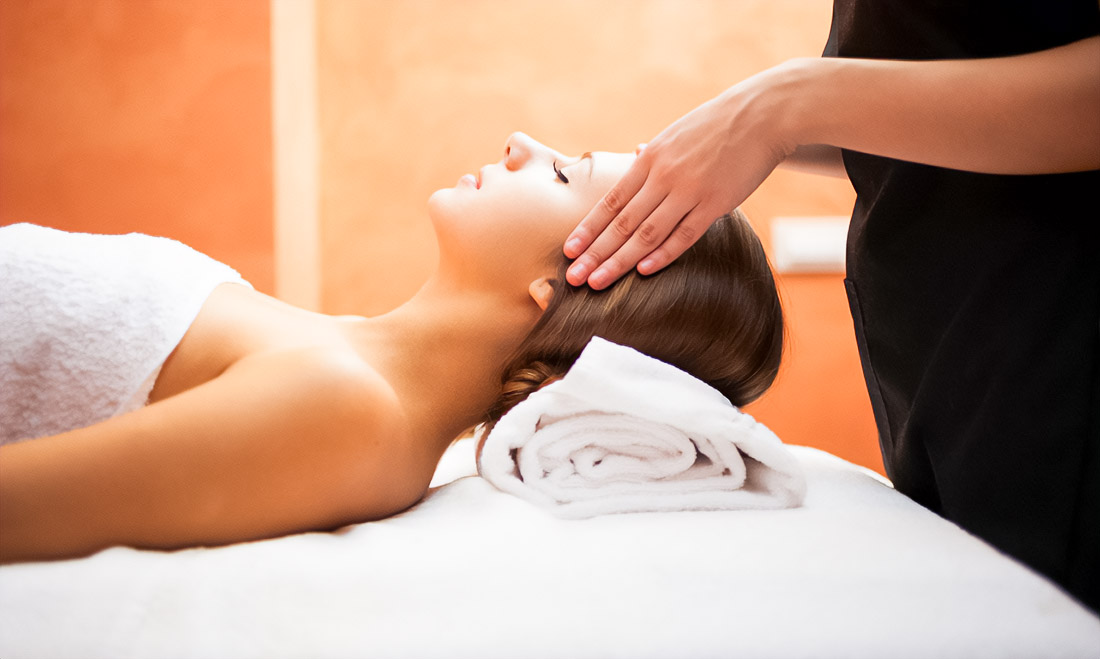
The holistic approach sounds simple, but it works deeply. He does not promise a miracle in one session, but he offers a system: physical health plus mental health, relaxation plus discipline, a comfortable environment plus regularity. Here, bodily practices, meditation, breathing practices and mindfulness are used not as a “fashion”, but as a tool. Relieving stress, improving sleep, restoring energy, and returning peace of mind is the real goal.
Procedures are often built in a chain. First, the thermal zones: steam rooms, saunas, steam rooms. Then there are water treatments: baptismal fonts, hydrotherapy, and sometimes thalassotherapy. Then there is a massage: deep, relaxing, restorative. And after that skin care, facial care, gentle rejuvenation. The material contains a range of duration from 45 to 150 minutes, and this is logical: a short visit relieves the severity, a long one restarts the state.
Water, Heat And Cold: The Physiology Of Relaxation
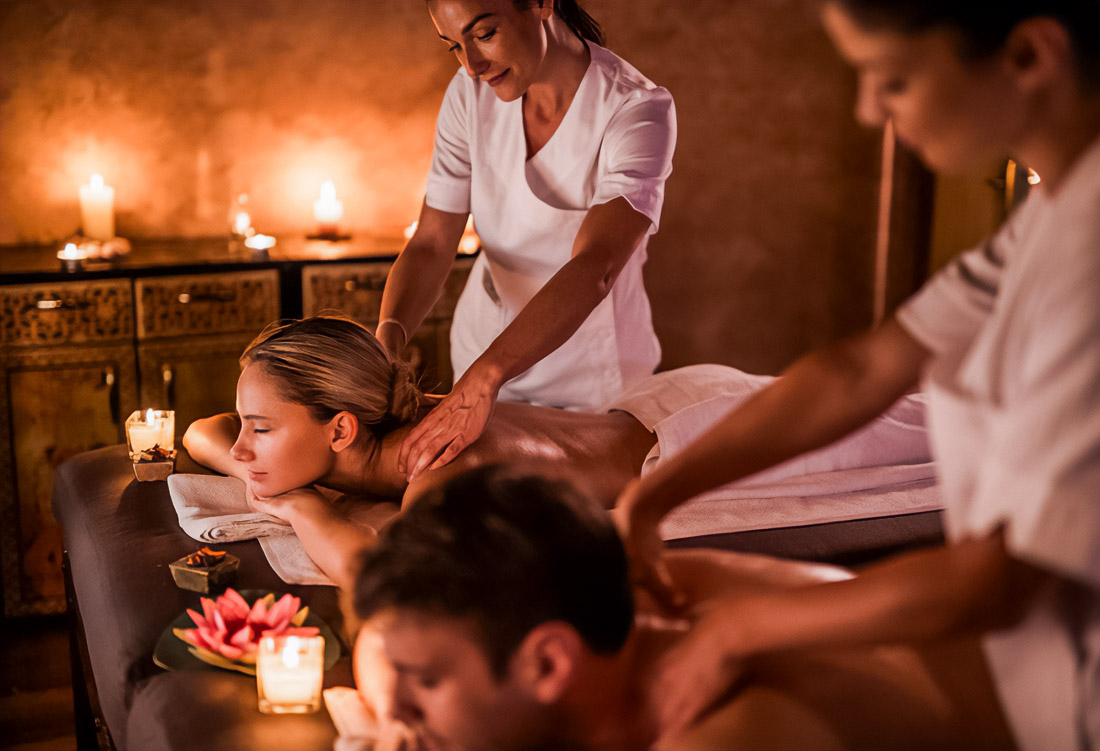
Spa is not only “pleasant”, it is also physiology. Heat dilates blood vessels, helps muscles release clamps, and makes the body more “soft.” Cold treatments, including ice baths, have a different effect: tone, vigor, recovery after exertion. Contrast works especially vividly when combined with breathing and meditation. From the outside, it seems that a person is just resting. In fact, it trains the nervous system to calm down faster.
An important detail is the infrastructure. The text mentions spaces of up to 3,000+ m2 and complexes with 12 classrooms, as well as options with 40+ treatment rooms. It’s not about scale for scale’s sake. It’s about privacy, silence, solitude and the opportunity not to face the flow of people head-on. In such an environment, sensory comfort light, aromatherapy, silence, and space design becomes not a decoration, but a part of therapy.
Personalization, Nutrition And Active Wellness
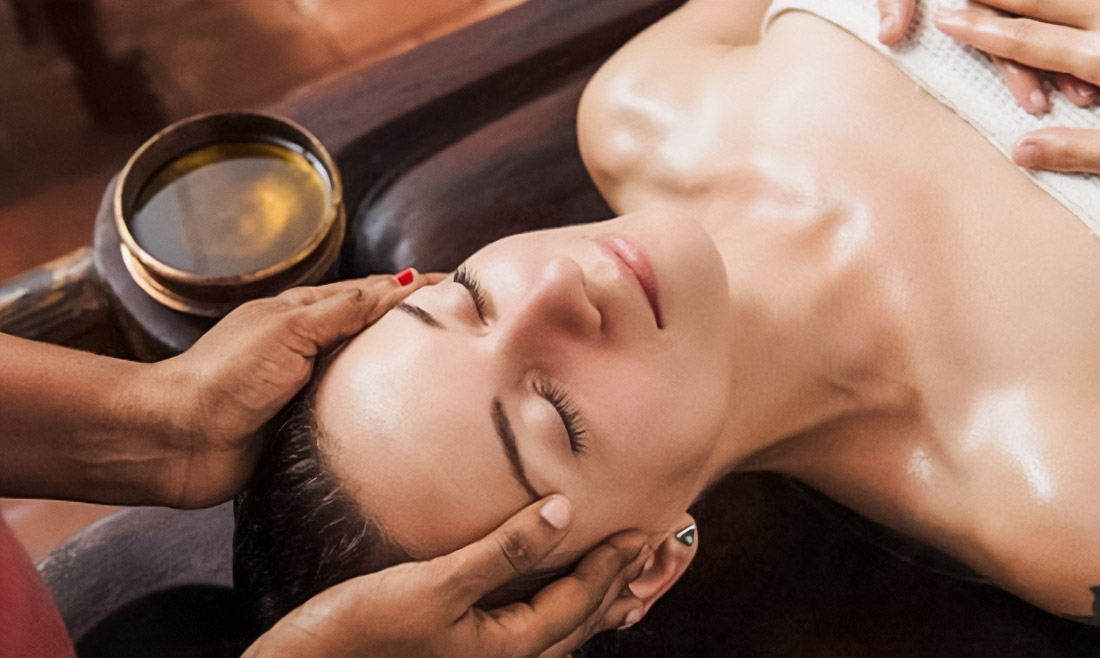
Personalization is a major shift in recent years. Individual programs, expert consultations, and the selection of procedures for the purpose turn rest into an understandable plan. Someone comes for a detox, someone for recovery from stress, someone for stable emotional balance. The material contains a guideline of 50+ procedures in one place, and this is just about the choice: you can assemble the program for yourself, and not for the “average guest”.
Wellness increasingly includes an active block. Yoga, stretching, gentle fitness, breathing so that the body not only relaxes, but also becomes stronger and more mobile. The topic of nutrition and nutrition is discussed separately: nutrition, a healthy lifestyle, and support through diet. Detox programs are often designed for several days or weeks, which means that we are talking about habits, not just one visit.
And there is another layer that is often underestimated. Walk. Long, calm, without haste. The text mentions an embankment with a length of about 11 km, and this is an ideal “transition zone” between activity and relaxation. As a result, wellness becomes a way of life: regularity, balance, awareness and self-care without fuss and without unnecessary promises.