
With increased responsibility for security and confidentiality, hotels are increasingly turning to modern identification technologies to control access not only for guests but also for third-party personnel, including contractors, suppliers, and temporary employees. The use of ID technologies ensures transparency, eliminates unauthorized access, and helps comply with internal security regulations.
Why Access Control is Critical for Contractors

Unlike guests, suppliers and contractors often work in restricted areas: technical rooms, kitchens, storage areas, and conference rooms. Without strict registration of inputs and outputs, there is a risk:
- Unauthorized stay in sensitive areas
- Theft or damage to property
- Disruptions to work schedules
- Lack of responsibility for actions
That is why hotels are implementing ID scanner systems and mobile ID verification to register each contractor’s entry into the facility.
How the Control System Works

Before entering the territory, the supplier’s employee must go through the registration procedure:
- Scan your ID through the hotel ID scanner or driving license scanner
- Biometric verification of a person (if necessary)
- Obtaining a temporary hotel digital key, limited in time and access to specific areas
- Recording of all actions in a centralized system integrated with hotel PMS software
This data is sent to the property management software for hotels, where it is automatically compared with scheduled tasks, opening hours, and responsible persons.
Advantages of ID Technologies in The Hotel Business

- Transparency: Each registration is recorded with an accurate timestamp and linked to a specific device, whether it’s a hospitality kiosk, iPad check in kiosk, or hotel self service kiosk.
- Security: The system instantly notifies the security service in case of an access attempt with an expired key or an unauthorized ID.
- Time management: When using business software management, you can track the length of each contractor’s stay and compare this with the invoices.
- Legal protection: in case of incidents, the log allows you to quickly find out who was in a particular room and when.
Integration with Other Systems

Modern hotels use hotel PMS systems with modular architecture. This allows ID systems to interact with:
- Hotel food ordering system (for example, contractors’ access to the kitchen at the time of receiving supplies)
- Hotel reservation table (control of temporary access zones to banquet halls or conference areas)
- Opera Cloud PMS (for remote access control and automatic notifications)
Contact is Minimized
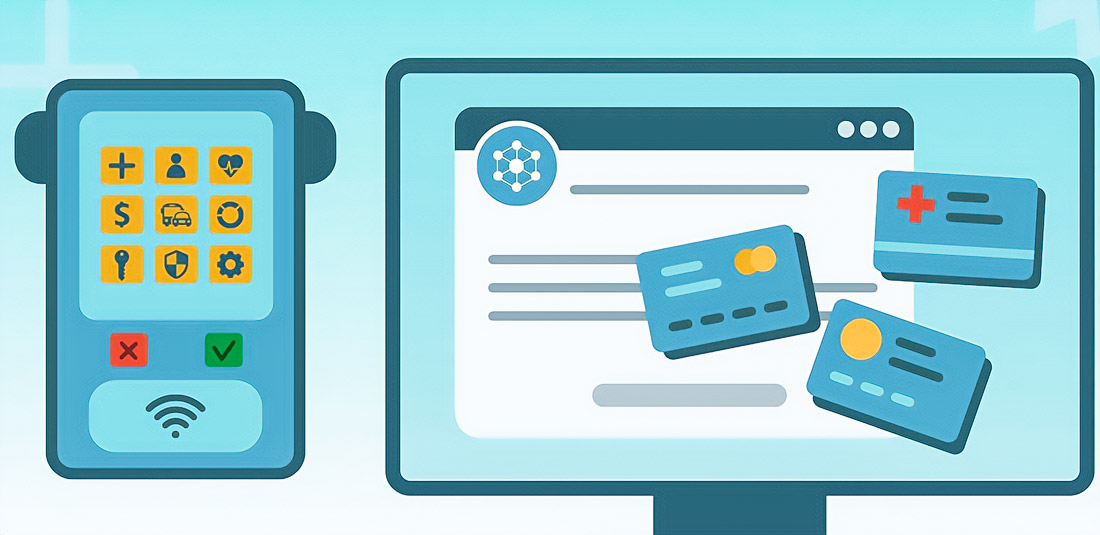
During a pandemic and in conditions of high hygiene standards, contactlessness is especially appreciated. In hotels with paperless check in and contactless hotel check in, contractors can register without the participation of an administrator, through a mobile application or a portable check in terminal. Using the hotel mobile check in app simplifies the process and reduces the burden on staff.
Case Study: Successful Application in Practice
An international hotel chain has implemented a solution using hotel kiosk software and an ID scanner for hotels. During the year, the number of unauthorized access cases decreased by 92%, and the time for registration and admission of contractors decreased by an average of 40%. Thanks to this, it was possible to redistribute the working time of the security service to other tasks.
Conclusion
Access control for contractors and third parties is no less important than guest flow management. The use of modern ID technologies, including mobile verification, digital keys, and a digital log system, allows hotels to remain secure, efficient, and meet high standards of hospitality. This is an investment not only in security, but also in the trust of guests and partners.