
Cleaning rarely arouses interest until it gets in the way of work. First, it’s the little things. Missing zones. Dirty bathrooms. The meeting rooms are not tidy. Then there are questions, claims, and disputes. It almost always turns out the same thing: the expectations were verbal, not fixed. This is where the Service Level Agreement, or SLA, appears as a control tool within an office cleaning contract, rather than a formality for the sake of signing.
The SLA is not needed to complicate the contract. It is needed so that cleaning is no longer subjective. When the result can be checked, fixed and, if necessary, require correction.
SLA Structure And Scope Of Work Without Ambiguity
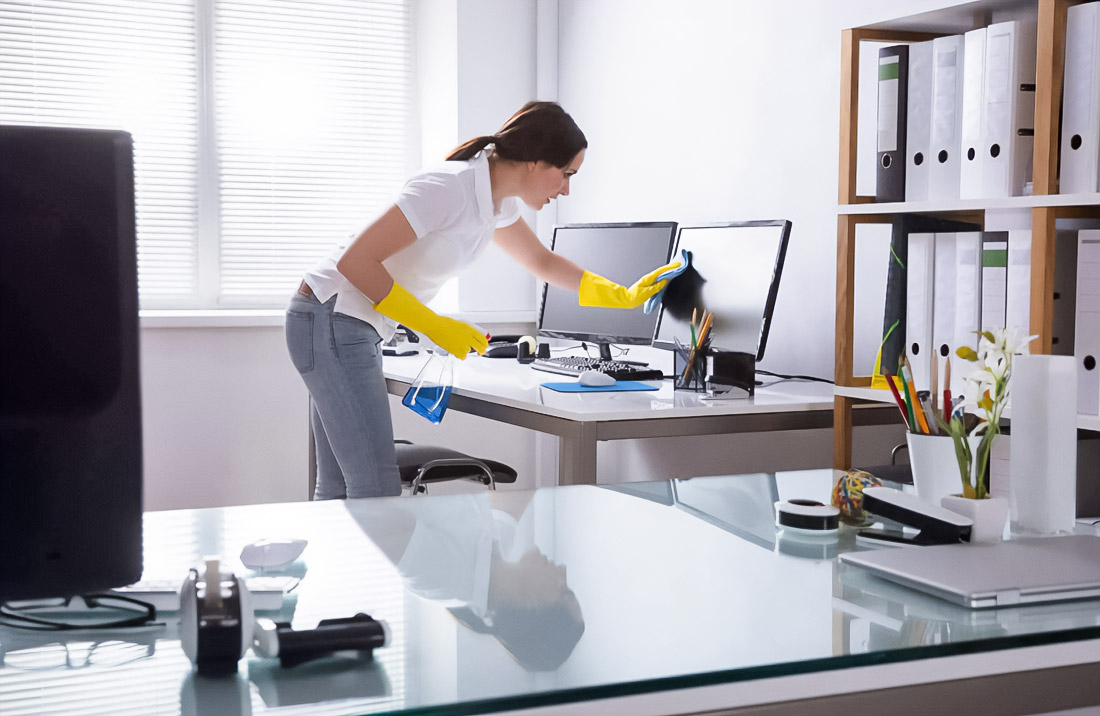
Any working SLA starts with a clear scope of work. This is not an abstract “keeping clean”, but a detailed description of what exactly is being cleaned. The rooms are divided into zones. Workspaces. Meeting rooms. Kitchens. Bathrooms. Corridors. Common areas. Such zone-based cleaning removes the main cause of conflicts and different understanding of the scope of work.
Tasks, the expected standard of cleanliness, and the frequency of execution are specified for each zone. It is important to register even controversial points. Whether the desktops are being wiped. Whether phones and keyboards are processed. Whether the internal glass partitions are washable. The more detailed the structure, the easier the control.
Contracts without zonal logic most often “fall apart” during an audit. There are always gray areas of responsibility that no one considers their responsibility.
Cleaning Frequency, Frequency Matrix And Process Manageability
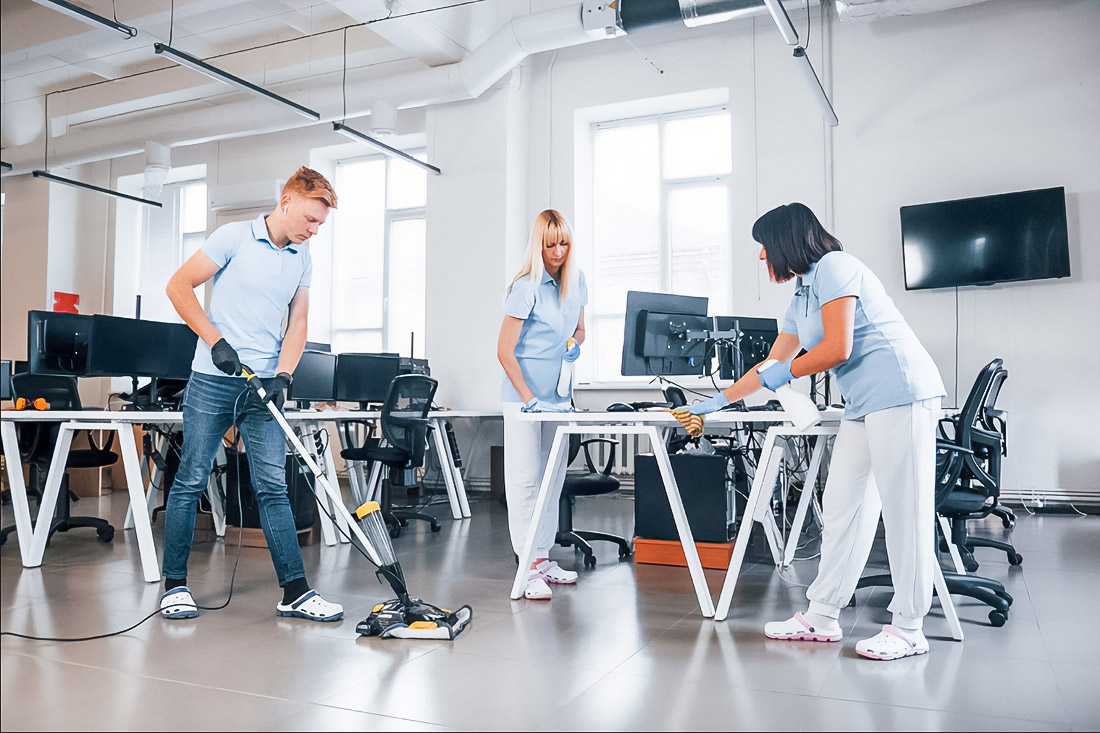
The frequency of cleaning is one of the most sensitive points. This is where expectations diverge most often. This is solved through the frequency matrix. All tasks are divided into cycles: daily, weekly and monthly.
Work is usually carried out daily in high traffic areas. Floors. Bathrooms. Contact surfaces. In-depth cleaning of kitchens, glass and skirting boards is added weekly. Periodically, work is performed that does not immediately catch the eye, but is critical over time. High dust extraction. Radiators. Detailed edges.
Such a matrix does not automatically increase the cost. It makes the service predictable. It is the lack of a clear schedule that leads to the accumulation of dirt and a sudden drop in quality.
Performance Standards, Auditing, And The Economic Logic Of SLA

SLA does not work without measurements. Therefore, performance standards and KPIs are fixed in it. These may include the results of visual inspections, the percentage of completed tasks, the number of repeated cleanups, and the response time to comments. Recommended practices include daily spot checks, weekly zonal audits, and monthly full checks.
All results are recorded in the audit log. It protects both sides. The client gets transparency. The performer receives clear evaluation criteria, not emotional claims.
The economic effect here is direct. For example, carpet cleaning in offices usually costs from £1 to £4 per square meter. If such jobs are not identified as extras in advance, they become a source of conflicts and unexpected expenses. SLA eliminates this risk even before signing the contract. Special attention is paid to health & safety. The chemicals used must have SDS and comply with COSH. This is not a formality, but the protection of people and the object.