
Global Competence Centers (GCC) have long ceased to be just “remote support offices.” Today, these are strategic hubs where engineering solutions are being born, automation standards are being formed, and products are being created that determine business sustainability. They are growing faster than many national industries and are becoming a new pillar of international presence, including exhibition companies in dubai.
The Evolution Of Competence Centers: From An Operational Base To Intellectual Hubs
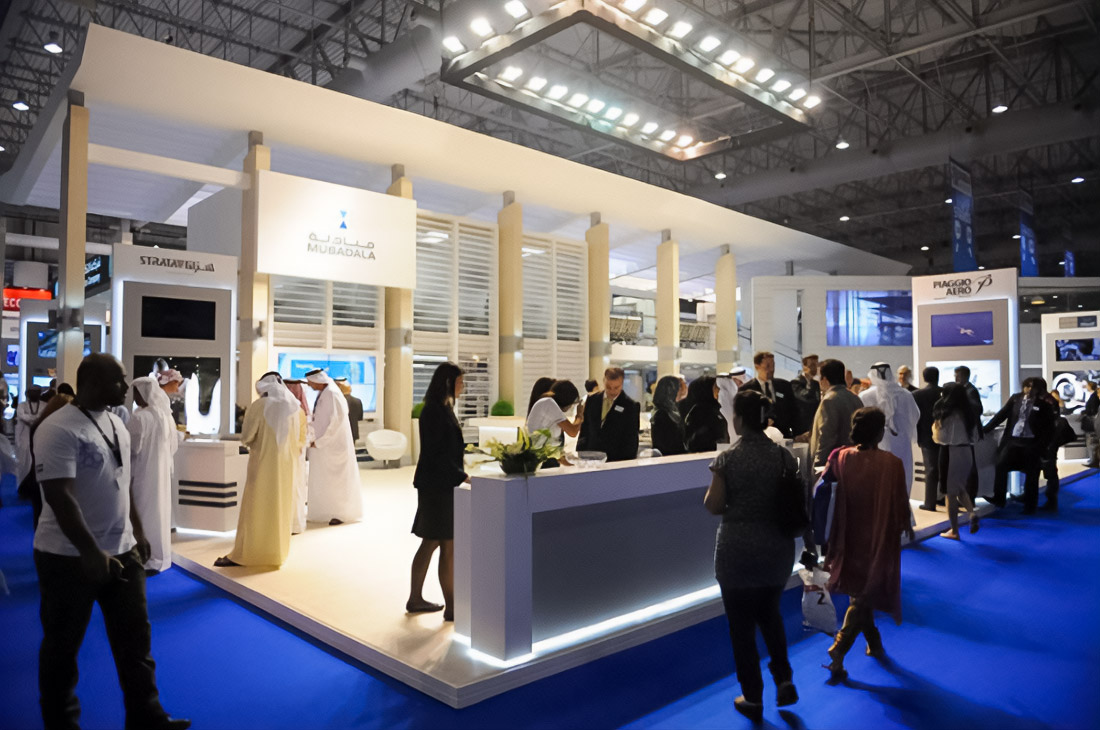
Once upon a time, GCC was exclusively engaged in auxiliary tasks. Now they are full—fledged centers of excellence (CoE), bringing together engineers, analysts and system architects.
There are more than 1,600 such centers in the world, employing about 1.66 million specialists. Their combined contribution is estimated at $46 billion, of which $25.6 billion is in the engineering and research services (ER&D) sector.
The growth rate is astounding: the annual average exceeds 11%, and 42% of employees are involved in research and development. This is no longer a cost—cutting tool, but a platform for accelerating time-to-market, developing AI models, implementing hyperautomatization, and creating sustainable processes.
Geography, Sustainability, And Architecture Of The Future
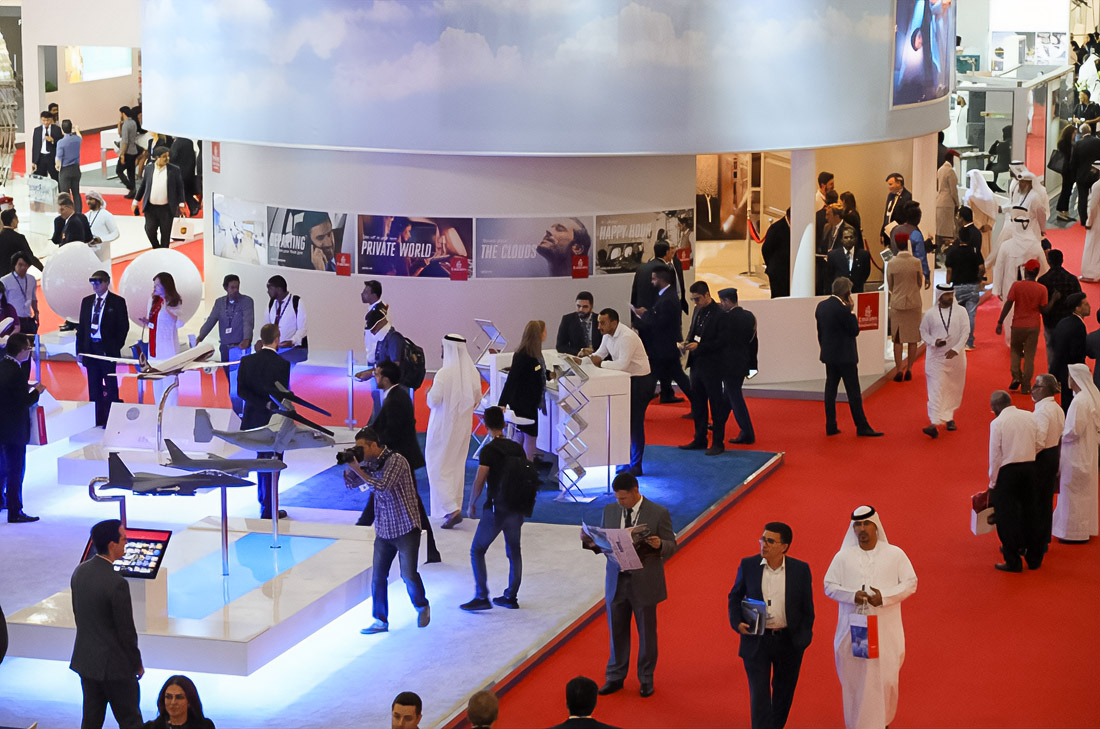
The main advantage of GCC is flexibility. They use geographic diversification to enhance business continuity (BCP) and sustainability.
Thanks to distributed locations, companies adapt faster to crises, comply with regulatory requirements, and strengthen compliance and data protection.
Comparative analysis shows that office rentals in key locations are 50-60% cheaper than in European and Asian centers. These are savings not on scale, but on thoughtfulness — space optimization, the transition to sustainable construction, and the introduction of “green” standards.
The new GCC is based on the principles of the MACH architecture: microservices, API-first, cloud solutions and a headless approach. All of this ensures scalability and accelerates technology adoption, from platform engineering to real-time analytics.
Intelligence, Automation, And The Human Factor
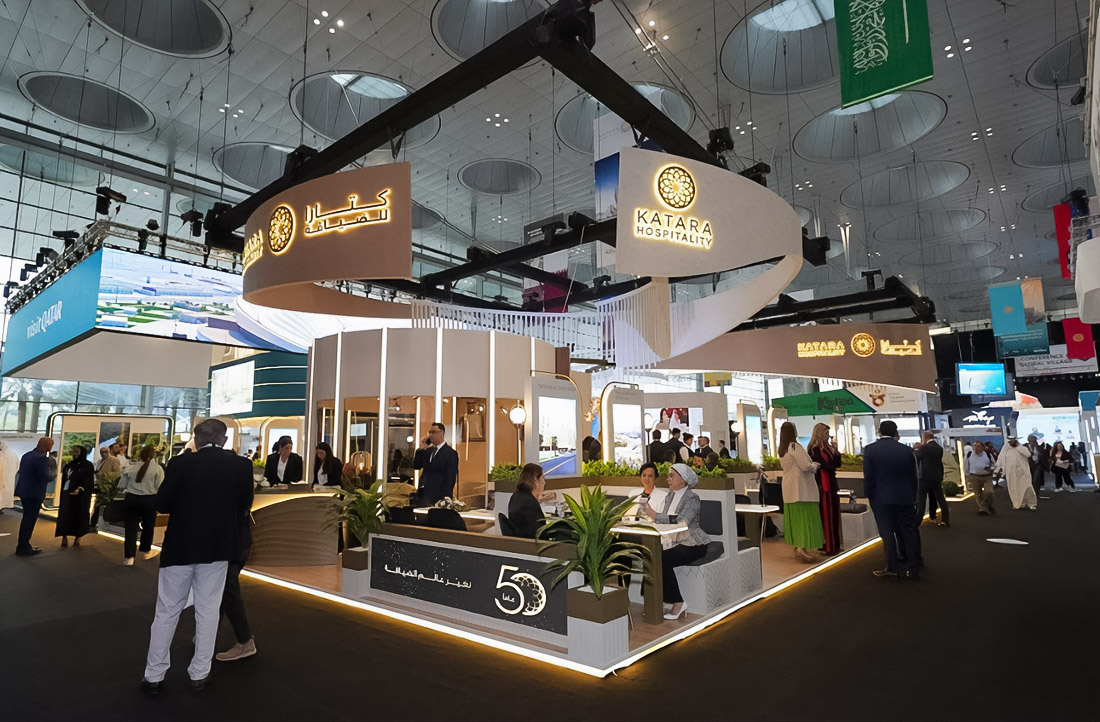
There is a lot of life inside GCC. This is where AI algorithms are born, predictive analytics is developing, and business processes are being optimized.
Release cycles that used to take months are now shortened to weeks. Operating costs are falling by 20%. This is the result of standardization, hyperautomatization, and a new philosophy of knowledge management.
However, people remain the main asset. 1.5 million engineering graduates annually replenish the personnel reserve. Cross-functional teams bring together engineers, analysts, and designers, creating an environment where experimentation becomes the norm.
GCC doesn’t just hire— they train, develop, and retain. Upskilling, on—site training, and internal certification are turning the centers into the universities of the future.
From Efficiency To Conscious Development
The next stage of GCC’s evolution is conscious development. It’s not just about economy or speed, but about making a sustainable contribution to society.
The centers are becoming platforms for the introduction of sustainability practices, the formation of new approaches to energy and construction. In the construction sector of the region, the volume of projects is estimated at $1.3 trillion, and it is GCC that ensures standardization of processes and innovation.
By 2027,AI-driven processes will take center stage. Productivity is projected to double, and the impact of local expertise will become critical.
Local expertise is not just about market knowledge. It’s the ability to connect technology, people, and responsibility. These centers are a new global efficiency infrastructure where innovation meets sustainability, and engineering becomes the language of international success.